
Massachusetts Area Codes at a Glance
Nine codes are in service across Massachusetts, and they work as five regions rather than nine separate places. Four of the regions carry a pair of codes. One region, the west, still runs on a single code. Within a pair, both codes serve exactly the same towns, and a new line gets whichever one has numbers free. That is why a family can hold a 508 number and a 774 number in the same house without anything being odd about either.
There has never been a permissive dialing window left open in Massachusetts since the overlays finished rolling out. The change happened on one date, and the rule that came with it has not moved since. Western Massachusetts is the exception people ask about most, because 413 has stood alone since the beginning and has never been overlaid.
| Area Code | Region | Communities Covered | Status |
|---|---|---|---|
| 413 | Western Massachusetts | Springfield, Chicopee, Holyoke, Northampton, Amherst, Greenfield, Pittsfield, North Adams, the Berkshires, the Pioneer Valley, the hill towns | Original 1947 code, never overlaid |
| 617 | Boston core | Boston neighborhoods, Cambridge, Brookline, Somerville, Chelsea, Everett, Belmont, Newton | Original 1947 code, overlaid in 2001 |
| 857 | Boston core | Identical to 617 | Overlay added in 2001 |
| 781 | Greater Boston suburbs | Arlington, Braintree, Burlington, Canton, Cohasset, Dedham, Lynn, Malden, Quincy, Revere, Waltham, Weymouth, Winchester | Split from 617 in 1997, overlaid in 2001 |
| 339 | Greater Boston suburbs | Identical to 781 | Overlay added in 2001 |
| 508 | Central, southeast, Cape and islands | Worcester, Framingham, Brockton, Fall River, New Bedford, Plymouth, Barnstable, Martha's Vineyard, Nantucket, Attleboro, MetroWest towns | Split from 617 in 1988, overlaid in 2001 |
| 774 | Central, southeast, Cape and islands | Identical to 508 | Overlay added in 2001 |
| 978 | North central and northeast | Lowell, Lawrence, Haverhill, Salem, Beverly, Danvers, Gloucester, Fitchburg, Leominster, Concord, Chelmsford, Acton, Athol, Gardner | Split from 508 in 1997, overlaid in 2001 |
| 351 | North central and northeast | Identical to 978 | Overlay added in 2001 |
Massachusetts Area Code Coverage by Town
Massachusetts region names only get you so far, because the boundaries follow telephone geography instead of county or highway lines. The state Department of Telecommunications and Cable settles the question with a plain list. Its city by city area code lookup filters by first letter and returns one row per locality, with an asterisk marking the places the 2001 overlays touched.
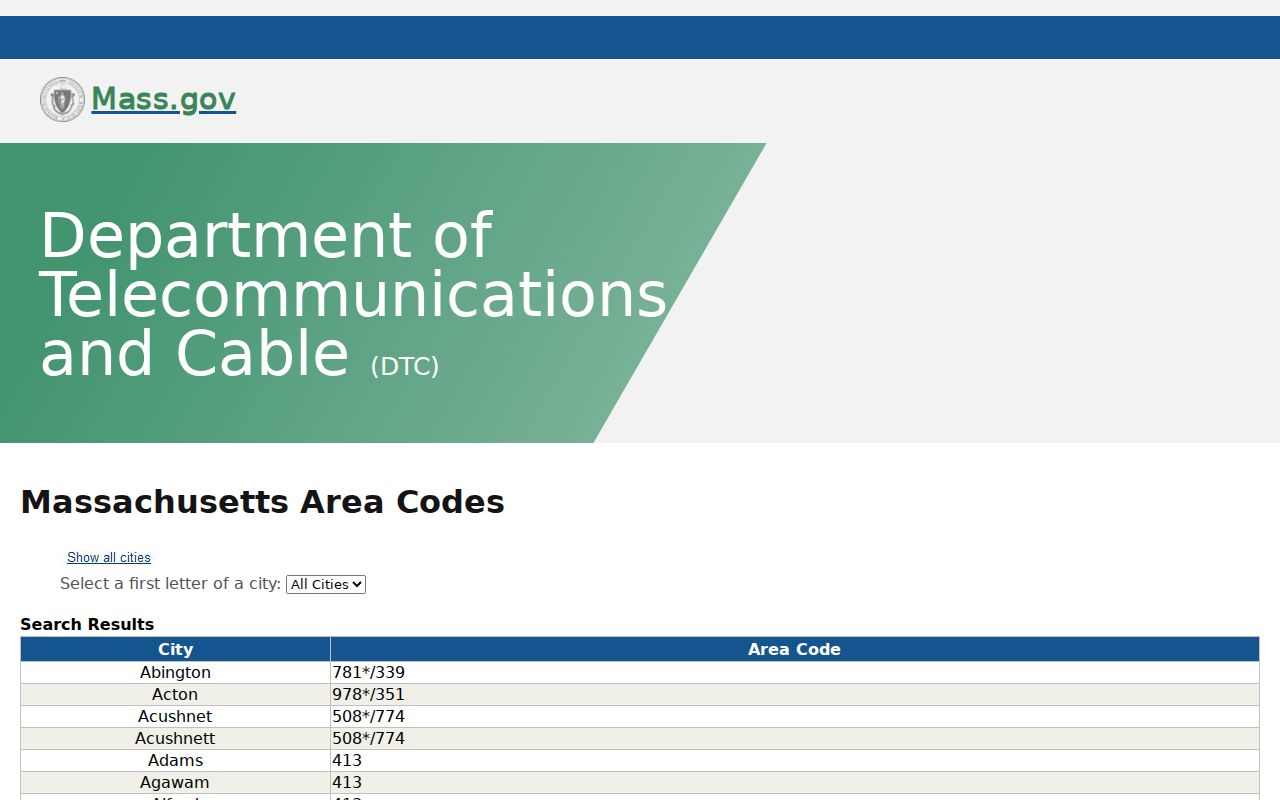
The list includes neighborhoods and small localities, not only incorporated towns, so entries like Allston, Brighton, Dorchester, Auburndale, and Buzzards Bay all appear on their own.
A sample of what that lookup returns shows how quickly the pattern falls into place across Massachusetts:
- Boston, Brookline, Cambridge, Chelsea, Dorchester - 617 and 857
- Abington, Arlington, Bedford, Braintree, Burlington, Canton, Dedham - 781 and 339
- Acushnet, Ashland, Attleboro, Barnstable, Brockton, Dartmouth - 508 and 774
- Acton, Amesbury, Andover, Athol, Beverly, Billerica, Chelmsford, Concord, Danvers, Dracut - 978 and 351
- Adams, Agawam, Amherst, Chicopee - 413
One warning about the Massachusetts list. Some entries carry alternate or misspelled forms next to the official name, such as Acushnet and Acushnett or Becket and Beckett. Use the list to identify the code, then confirm the official town spelling elsewhere before putting it in writing.
Overlay vs Split in Massachusetts
Massachusetts has used both methods, which is unusual enough to explain. A split cuts an existing region in two and hands one half a brand new code. Everyone on that half changes their area code, reprints their stationery, and repaints their trucks. Massachusetts did this three times, in 1988 and twice in 1997. An overlay leaves every existing number alone and simply adds a second code to the same ground. The 2001 change was an overlay, four times over.
- Overlay
- A newer code layered onto the same towns as an older one. Nobody changes a number, and local calls need the area code from then on.
- Split
- The old region is divided. One side keeps the original code, the other side moves to a new one and all those numbers change.
- Permissive Dialing
- A transition window when the old and new dialing patterns both connect, ending on a set cutover date.
Regulators moved toward overlays because splits push the whole cost onto one half of the map. An overlay spreads a much smaller cost across everyone, in the form of a few extra digits.
The Massachusetts Dialing Rule
April 2, 2001 is the date that matters. On that day the four overlay codes took effect and local calls in the affected eastern regions began requiring all ten digits. The state area code list still carries that notice. Western Massachusetts sits outside the overlay areas, so 413 is not bound by the same rule, but ten digit dialing has become the practical statewide habit anyway. Mobile phones, VoIP systems, contact lists, and published directory entries all use the full number, so nobody gains anything by dropping the code.
Important: In the eastern overlay regions, a local call dialed with only seven digits will not connect. Add the area code every time.
Long distance may still want a leading 1 depending on the carrier and the plan, which means the area code alone never tells you whether a call is toll or local. Service codes, star codes, toll-free prefixes, and international dialing are covered on the Massachusetts phone codes page.
How Massachusetts Got Nine Area Codes
Two codes were enough for Massachusetts for forty years. When the numbering plan launched in 1947, 617 covered eastern Massachusetts and 413 covered the west, and that arrangement held while nearly every household had one line. Then the supply ran out. Fax machines, pagers, dial-up modems, business trunks, early cell phones, and competitive local carriers each took blocks of numbers, and eastern Massachusetts burned through what 617 had left. The state answered with a split, then two more splits, and finally with a package of overlays that ended the era of changing anyone's number.
| Year | Event |
|---|---|
| 1947 | 617 and 413 assigned as the original Massachusetts codes, east and west |
| 1988 | 508 splits from 617 for central and southeastern Massachusetts, the Cape, and the islands |
| 1997 | 781 splits from 617 for the inner suburbs and east-central towns |
| 1997 | 978 splits from 508 for north central and northeastern Massachusetts |
| 2001 | 857, 339, 774, and 351 arrive as overlays and ten digit local dialing begins on April 2 |
The old Bell company in Massachusetts was New England Telephone and Telegraph, and the operating lineage later ran through NYNEX, Bell Atlantic, and Verizon New England.
Where Massachusetts Area Code Lines Surprise People
Massachusetts code boundaries do not match how people picture the map. Boston proper is 617 and 857, and so are Brookline, Cambridge, Chelsea, Everett, and Somerville, even though several of those are separate cities. Cross one town line in the wrong direction and you land in 781 and 339 instead. MetroWest is genuinely mixed, with Framingham on 508 and 774 while suburbs closer to Boston sit on 781 and 339.
The North Shore runs the same way. Salem, Beverly, Danvers, and Gloucester belong to 978 and 351, but closer-in North Shore communities can fall into 781 and 339 or even into the Boston pair. None of this follows county borders, so guessing a code from a county name will be wrong often enough to matter.
Note: an area code shows where a number was first issued, not where the person holding it lives today, since numbers move with people.
Local Exchange Prefixes in Massachusetts
Under each Massachusetts area code sits a layer of three digit exchange prefixes, the middle block of a ten digit number. Those prefixes were assigned to rate centers, which are billing areas built around what used to be physical central offices. Massachusetts rate centers carry familiar names: Boston, Cambridge, Brookline, East Boston, Worcester, Springfield, Lowell, Lawrence, New Bedford, Fall River, Brockton, Framingham, Barnstable, Pittsfield, and dozens of town level centers. The assignment records are public, and the central office code assignment files can be downloaded by state.
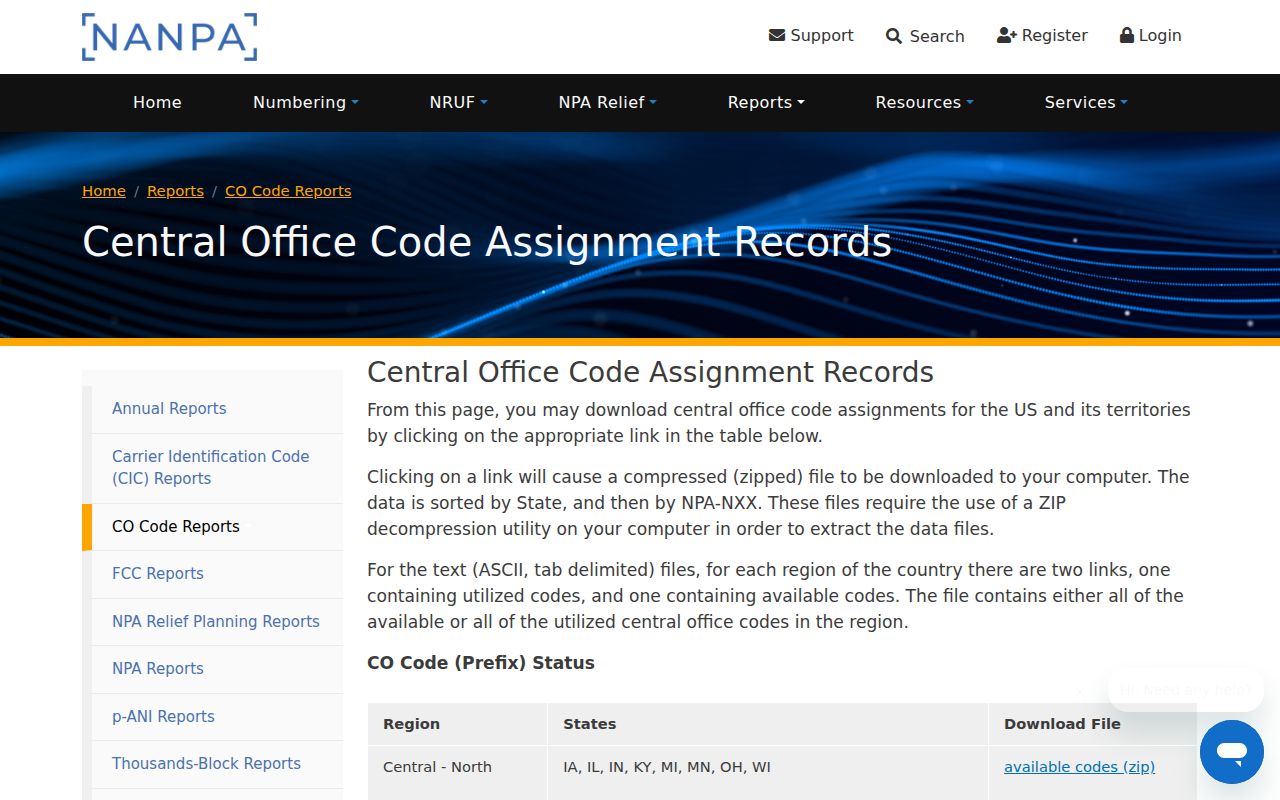
Those files are built for telecom staff rather than for the public, so expect spreadsheets rather than a friendly search box.
Prefix patterns still show up in public listings. State government clusters around 617-727 and 617-722 near Beacon Hill. The education agency uses 781-338. State Police headquarters uses 508-820. UMass Boston uses 617-287, UMass Lowell uses 978-934, and UMass Dartmouth uses 508-999. Those are handy clues for confirming that a caller really is who they claim to be, though number portability means a prefix no longer proves which carrier holds a line.
Future Massachusetts Area Codes
Nothing new is on the board. The public numbering and state regulator materials checked for this state show no additional Massachusetts relief code assigned beyond the nine already in service. That is a reasonable place to be after 2001, since four overlays released a large pool of numbers at once and the demand curve for new landlines has been flat for years.
If a tenth code ever does become necessary, the process is predictable. The national numbering administrator runs the exhaust forecast and files a relief plan. The state Department of Telecommunications and Cable reviews it and approves the method, which would almost certainly be another overlay rather than a split. For residents, an overlay means almost nothing changes. Existing numbers stay put, the dialing rule is already in force across the east, and only brand new lines would carry the new code.
Verifying a Massachusetts Area Code
Two questions come up constantly about a Massachusetts number. Is this a real code, and does it actually cover the place the caller claims? The state lookup answers the second one directly, and it is short enough to work through in under a minute.
| Field | Type | Required | Notes |
|---|---|---|---|
| Select a first letter of a city | Letter filter links | No | A through Z, plus an All Cities view |
| Search Results | Result table | Not applicable | Two columns, City and Area Code |
| City | Result field | Not applicable | Municipality, neighborhood, or locality name |
| Area Code | Result field | Not applicable | A single code or an overlay pair, with an asterisk on 2001 overlay areas |
| Overlay note | Static notice | Not applicable | The April 2, 2001 overlay and ten digit dialing notice |
For the first question, the national assignment records are the authority on whether a code exists at all and which region holds it. The code report landing page lists assigned, available, and unavailable codes.
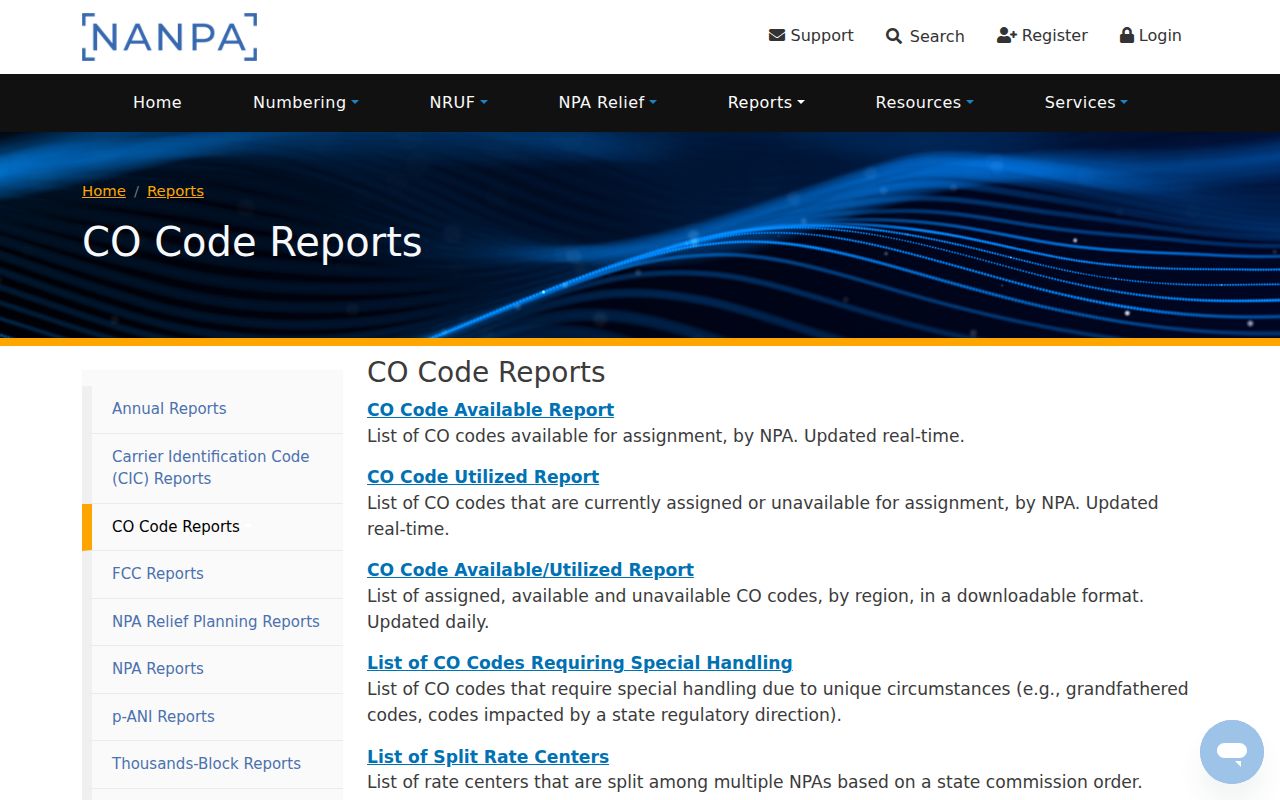
Anything that does not appear there is not a working North American code, which is a quick way to spot a fake number in a message.
To find a number inside one of these regions rather than to check the code itself, the Massachusetts phone numbers page covers the agency, school, and utility directories.